What You Should Avoid After Periodontal Treatment in Ventura
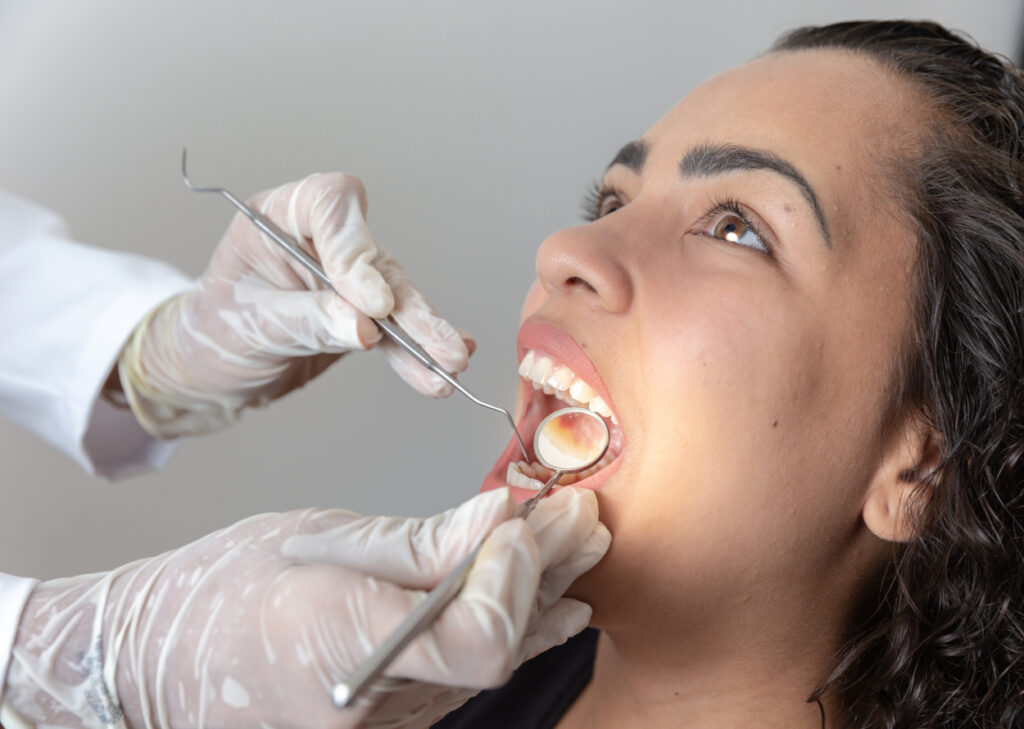
Periodontal treatment can do a great deal for a patient in a short period of time. Deep cleaning, scaling and root planing, localized antibiotic therapy, gum surgery, grafting, laser treatment, and maintenance visits all aim at the same target, stopping infection, reducing inflammation, and giving the gums a chance to heal around the teeth again. The treatment itself matters, but what happens afterward often determines how smooth the recovery will be.
That point becomes especially clear in practice. Two patients can receive nearly identical care and leave with the same instructions, yet one feels steadily better over the next week while the other ends up with more swelling, renewed bleeding, or unnecessary sensitivity. The difference is often not mysterious. It usually comes down to a handful of post-treatment habits that put healing tissue under stress.
If you have recently had periodontal care, or you are preparing for an appointment, it helps to know not only what to do, but what to avoid. Healing gums are surprisingly vulnerable in the first several hours and days. Even after you feel normal again, the area may still be rebuilding attachment and stabilizing below the surface.
Why the first few days matter more than most people expect
After periodontal treatment, your gum tissue is often inflamed, slightly traumatized, and highly reactive. If you had scaling and root planing, bacterial deposits were removed from root surfaces below the gumline. If you had surgery, the tissues were reflected, repositioned, or sutured. In either case, your mouth needs a calm environment to repair itself.
That repair process is not instant. Early clot stabilization, tissue reattachment, and reduction of inflammation all depend on limiting irritation. Patients sometimes assume that if they can eat, talk, and go back to work, the site is fully settled. It rarely is. The tenderness may fade before the tissue is fully secure.
Ventura patients often have another challenge that does not get enough attention: lifestyle rhythm. Coastal weather, active weekends, coffee culture, social meals, and outdoor exercise can all make it tempting to jump back into normal routines too quickly. There is nothing wrong with wanting normalcy. The issue is timing. A few avoidable choices can turn a straightforward recovery into a longer one.
Avoid brushing the treated area too aggressively
One of the most common mistakes after periodontal treatment is overbrushing. People often leave the office determined to keep the area extra clean, and that instinct is understandable. The problem is that vigorous brushing can scrape healing tissue, reopen sore spots, and increase bleeding.
This does not mean you should stop brushing altogether unless your dentist or periodontist specifically told you to avoid a certain area for a short period. It means your technique needs to change. Treated gums respond best to a very soft toothbrush, light pressure, and patience. Think of guiding the bristles rather than scrubbing. If you recently had flap surgery or grafting, the instructions may be even more restrictive, and those need to take priority over any general advice.
A patient once described her brushing style as “trying to make up for lost time.” Her gums did not share that enthusiasm. She came back convinced that something had gone wrong, but what she was really seeing was repeated mechanical irritation. Once the brushing pressure changed, the tissue settled quickly.
Avoid smoking, vaping, and any nicotine use if you can
Nicotine is one of the worst things you can introduce into a healing periodontal site. It constricts blood vessels, reduces oxygen delivery, and interferes with the body’s normal repair mechanisms. Smoking also adds heat, chemicals, and suction, all of which work against tissue recovery.
Even patients who know smoking is bad for gum health sometimes underestimate how directly it affects healing in the first few days after treatment. If you had surgery, the risk becomes even more serious. Delayed healing, greater discomfort, higher infection risk, and poorer long-term attachment outcomes are all more likely.
Vaping is not a safe workaround. Many patients assume it is gentler because there is no smoke, but the nicotine and chemical exposure still create problems. The mouth tends to dry out as well, which is another strike against healing tissue.
For patients who are trying to quit but are not fully ready, even a temporary nicotine-free window can help. If you are receiving Periodontal Treatment Ventura clinicians often stress this point because the difference in healing can be visible from one follow-up to the next.
Avoid hard, crunchy, spicy, or very hot foods right away
Food texture and temperature matter more than people expect. Treated gums do not do well with sharp chips, crusty bread, seeded crackers, popcorn, or tough meats in the immediate recovery period. Those foods can poke, scrape, wedge into the sulcus, or simply force too much chewing pressure onto sensitive areas.
Heat is another issue. Very hot coffee, soup, or tea can increase discomfort and may promote bleeding in freshly treated tissue. Spicy foods can sting badly, especially if the gums were ulcerated or surgically manipulated. Acidic foods, such as citrus and vinegar-heavy dishes, can also make tender sites feel raw.
Soft, mild foods are usually the safer choice early on. Yogurt, eggs, oatmeal, smoothies eaten with a spoon rather than a straw if suction is a concern, mashed vegetables, soft fish, and rice are common choices because they let you eat without challenging the area.
People often test their limits too soon because they are hungry and feel mostly fine by dinnertime. That is exactly when a plate of tacos, tortilla chips, and salsa sounds like a great idea and turns into a night of soreness. Healing gums appreciate restraint.
Avoid drinking through a straw when suction could disrupt healing
Not every periodontal treatment carries the same restriction, but after many procedures, strong suction in the mouth is a bad idea. Using a straw can disturb clot formation or place stress on surgical areas, especially in the first day or two. The same logic applies to forceful spitting.
This is one of those small details that patients sometimes forget because it does not seem related to the gums. Yet repeated suction is enough to bother healing tissue. If your provider gave specific instructions about avoiding straws, follow them closely, even if the area feels stable.
The better approach is simple: sip gently from a cup and let the mouth stay quiet while the site settles.
Avoid skipping prescribed rinses or medications, but do not improvise your own
There are two opposite mistakes here, and both can cause trouble. Some patients skip antimicrobial rinses, pain relievers, or antibiotics because they feel fine. Others add extra products on their own, believing more is better.
Both choices can backfire. If you were prescribed chlorhexidine, a saltwater rinse, anti-inflammatory medication, or an antibiotic, there was a reason. It may be to reduce bacterial load, control inflammation, prevent infection, or make healing tolerable enough that you can maintain oral hygiene. Stopping early or using the medication inconsistently can undermine the treatment.
At the same time, adding random mouthwashes can be just as problematic. Alcohol-based rinses often sting and dry the tissue. Whitening products may irritate. Essential oil rinses that feel “strong” are not necessarily appropriate for a healing surgical area. Hydrogen peroxide gets overused in home care and can slow normal tissue recovery when people apply it too often or at the wrong concentration.
If you are unsure whether a product is safe, ask before using it. Periodontal aftercare works best when https://juliusiptl783.evergrovio.com/posts/periodontal-treatment-in-ventura-for-sensitive-and-bleeding-gums it is deliberate, not improvised.
Avoid vigorous exercise too soon after more involved treatment
Routine movement is fine for many patients, but strenuous activity right after periodontal surgery or extensive deep cleaning can increase bleeding, throbbing, and swelling. This tends to surprise active patients who are used to feeling better after a workout.
The issue is blood pressure and mechanical stress. Heavy lifting, interval training, long runs, hot yoga, and high-intensity cycling can all increase circulation to the point that a quiet surgical site starts pulsing or oozing again. Even bending repeatedly during yard work can aggravate things.
In Ventura, where outdoor exercise is part of daily life for many people, this is worth planning around. If your procedure is on a Friday, that may not be the ideal weekend for a trail run, surf session, or boot camp class. A short walk is one thing. A strenuous workout that leaves your face flushed and your pulse up is another.
As a rule, the more invasive the treatment, the more cautious you should be. Deep cleaning might require only a brief modification. Gum surgery often calls for a more deliberate rest period.
Avoid touching the area with your tongue or fingers
People do this constantly without realizing it. The mouth becomes hyperaware of any change, so the tongue keeps checking the treated spot. Fingers get involved when patients think they feel “something stuck” and want to investigate. Both habits irritate the site.
Your tongue is strong. Repeated pressure on a graft, incision line, or sore gingival margin can inflame it enough to delay healing. Fingernails bring bacteria, and even clean hands are not sterile. What feels like roughness is often normal healing tissue, a suture knot, or slight root sensitivity after deposits were removed.
This is especially common after scaling and root planing. Once thick calculus is gone, the root surface can feel unfamiliar. Patients sometimes assume there is still debris there because the texture is different. There often is not. Poking around usually makes it worse.
Avoid alcohol if it conflicts with medications or irritates the tissue
Alcohol deserves more attention in periodontal recovery than it usually gets. It can dry the mouth, sting healing tissue, and interact poorly with certain pain medications or antibiotics. Patients who feel fine after treatment sometimes meet friends that evening, have a couple of drinks, and wonder why the area feels more irritated later that night.
Even when there is no serious medication interaction, alcohol is not especially friendly to recovery. Dehydration and reduced judgment can lead to sloppy home care, missed doses, poor food choices, or accidental trauma from eating hard foods. If you were given specific medication instructions, those come first, no exceptions.
A day or two of caution is a small trade for better healing.
Avoid assuming that “a little bleeding” always means something is wrong
This may sound backward in an article about what to avoid, but it matters. One thing to avoid is panic. Mild bleeding or pink saliva can be normal for a short period after treatment, especially after surgery or deep cleaning in inflamed areas. Patients sometimes react by brushing harder, rinsing aggressively, or repeatedly inspecting the site, all of which worsen the bleeding they are trying to stop.
The safer response is usually gentle pressure with clean gauze if instructed, rest, and following the office directions exactly. What counts as normal varies by procedure, which is why discharge instructions matter so much. Heavy bleeding, foul taste, increasing swelling after the early phase, fever, or pain that worsens rather than improves deserves a call to the office. But not every trace of blood is an emergency.
Judgment matters here. The body does not heal in a perfectly tidy way.
Avoid delaying your follow-up appointment
Post-treatment visits are not a formality. They allow your provider to check tissue response, reduce residual bacterial buildup, remove sutures if needed, confirm that home care is working, and catch small problems before they become bigger ones.
This is where some patients get tripped up. They feel 80 percent better, work gets busy, or travel comes up, so they push the visit back several weeks. In periodontal care, that delay can erase momentum. Gum disease is not a one-time fix. It is managed over time, and the maintenance phase is where a lot of long-term success is won or lost.
For patients seeking Periodontal Treatment Ventura practices often emphasize ongoing maintenance because local habits, diet, and scheduling pressures make it easy to treat the acute issue and then drift away from follow-up. The people who keep their gains usually keep their maintenance appointments.
A few recovery mistakes that come up again and again
The same problems tend to repeat across different types of periodontal care. If you keep these in mind, you can avoid most unnecessary setbacks.
- Eating normal meals too soon because numbness is gone.
- Brushing with good intentions but too much force.
- Returning to intense exercise before the tissue is stable.
- Using over-the-counter rinses that were never recommended.
- Skipping follow-up because the mouth feels “pretty much healed.”
None of these mistakes are dramatic on their own. That is what makes them so common. They feel minor in the moment, yet they can prolong tenderness, increase inflammation, or compromise the result.
What a smoother recovery usually looks like
A healthy recovery is not always pain-free, but it usually follows a recognizable pattern. Tenderness gradually declines. Bleeding becomes less frequent. Swelling peaks early and then eases. The gums start looking less angry, less puffy, and more defined around the teeth. Chewing becomes easier. Home care feels more manageable by the day.
The timeline depends on what you had done. A deep cleaning can leave teeth and roots sensitive for several days, sometimes longer if there was heavy buildup to begin with. Surgical treatment may involve a fuller week or more of careful eating and modified hygiene. Grafting has its own recovery arc, especially if there was a donor site. The point is not to compare your healing to someone else’s. It is to look for steady progress.
If progress stalls, or if pain, swelling, and bleeding intensify after initially improving, that is the moment to reach out.
When to call the office instead of trying to “wait it out”
Some discomfort is expected. Some symptoms should not be ignored. Patients often do best when they trust their instincts but pair them with specifics. If any of the following occur, it is reasonable to contact your dental office for guidance:
- Bleeding that remains heavy or restarts repeatedly.
- Swelling that worsens after the first couple of days.
- Fever, chills, or a generally sick feeling.
- A bad taste or odor that seems persistent and unusual.
- Pain that gets stronger rather than gradually easing.
The timing and severity matter. A small amount of oozing on the first evening is not the same as active bleeding the next day that soaks gauze. Mild swelling is not the same as facial swelling that is visibly expanding. When in doubt, asking is smarter than guessing.
The bigger goal is not just healing, it is stability
Periodontal treatment is often misunderstood as a reset button. It is better thought of as a turning point. The infection is addressed, the bacterial burden is reduced, and the tissues are given a chance to recover, but long-term stability depends on what happens next. That includes maintenance visits, home care quality, smoking status, bite forces, and overall health factors such as diabetes control.
Avoiding the wrong things in the days after treatment is part of that larger picture. You are protecting a repair process that cannot be rushed. The gums do not need perfect conditions, but they do need a break from avoidable irritation.
Patients who recover well are not usually doing anything glamorous. They are resting when told to rest, eating carefully, cleaning gently, following instructions, and resisting the urge to test the area every few hours. That quiet discipline pays off.
If you are preparing for care or recovering now, the most useful mindset is simple: treat the area as healing tissue, not as business as usual. That approach, more than any product or trick, gives periodontal treatment the best chance to do what it was meant to do.
Avra Dental
Address: 1708 S Victoria Ave B, Ventura, CA 93003
Phone number: (805) 941-1001
FAQ About Periodontal Treatment Ventura
Can a dentist get rid of periodontal disease?
A dentist or gum specialist (periodontist) cannot fully cure or reverse advanced periodontal disease (periodontitis), but they can successfully stop its progression and manage the infection.
Is periodontitis very serious?
Yes, periodontitis is a very serious, advanced form of gum disease that destroys the bone and tissues supporting your teeth.
How is stage 2 periodontal disease treated?
Stage 2 periodontal disease (early to moderate periodontitis) is primarily treated with non-surgical deep cleaning procedures like scaling and root planing to remove bacteria and tartar below the gumline.